



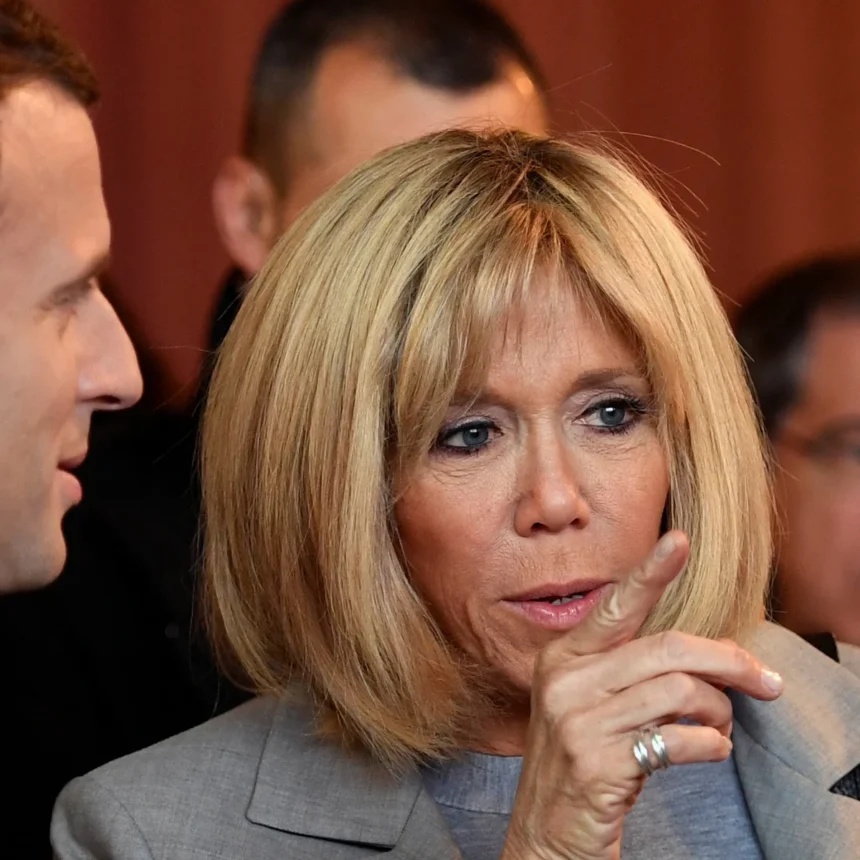
Paris, France. – A criminal court in Paris on Monday, January 5, 2026, convicted 10 individuals for cyberbullying France’s first lady, Brigitte Macron, in a case that spotlighted the dangers of online misinformation and harassment.
The defendants, eight men and two women between the ages of 41 and 60, were found guilty of posting and sharing false and malicious claims about Ms Macron’s gender and personal life on social media platforms.
Defendant Delphine Jegousse, 51, also known as Amandine Roy, is said to have played a major role in spreading the rumour that Ms Macron was born a male. She published a four-hour video on her YouTube channel in 2021.

Prosecutors said the messages were “particularly degrading, insulting, and malicious,” fueling conspiracy theories about her identity and life.
The Paris court handed down sentences that ranged from suspended prison terms of four to eight months, mandatory cyberbullying awareness training, and some temporary bans from social media platforms.

One defendant received an actual six-month prison sentence for failing to appear in court, while others received suspended terms.
The penalties reflect French efforts to enforce laws against online harassment and to hold individuals accountable for coordinated campaigns of defamation and hate speech. The online attacks against Brigitte Macron stemmed from widely-debunked rumours and claims circulated on social media.
Gallerist and writer Bertrand Scholler, 55, was also given a six-month suspended sentence for allegedly spreading the claims, which he vowed to appeal.


“This is horrible. It’s abominable,” he told reporters at the Paris court. “This shows just how far French society is drifting toward less freedom of speech. Freedom of speech no longer exists.”- Bertrand Scholler.
Among the assertions targeted by prosecutors were false allegations about her gender identity and misleading commentary about her age difference from President Emmanuel Macron.
They were also accused of linking the 24-year age gap between Ms Macron, 72, and her husband Emmanuel Macron, 48, to paedophilia. The couple, who have been married since 2007, first met at secondary school, where he was a student, and she was a teacher.

In televised interviews before the verdict, Mrs Macron said she pursued legal action to “set an example” in the fight against online abuse.
Her daughter, Tiphaine Auziere, also testified about the emotional toll the harassment had on the family’s well-being, including its impact on her mother’s health.
“She cannot ignore the horrible things said about her,” Ms Auziere told the court.
This verdict comes amid global debates about online safety, freedom of expression, and the responsibilities of social media users.
For many African observers, cases like this highlight the emerging legal frameworks in Europe aimed at curbing digital harassment and misinformation, issues that resonate widely across the continent as internet penetration and social media use continue to rise.

The ruling also follows a related defamation lawsuit filed by the Macrons in the United States against a conservative media personality, Candace Owens, for amplifying similar claims, underscoring how cross-border digital speech is increasingly becoming a legal battleground.