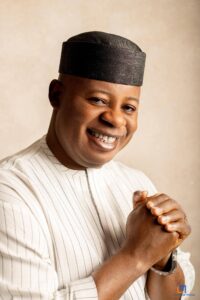



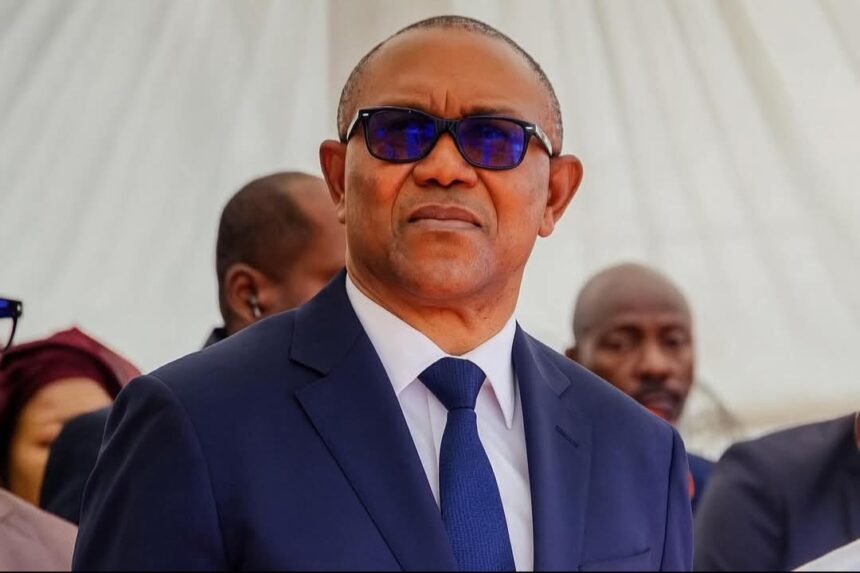
The battle over Nigeria’s financial future has taken a dramatic turn. Peter Obi, former presidential candidate and a leading voice for economic reform, is calling on the Federal Government to immediately “pause and pivot” regarding the newly gazetted 2026 tax laws.
Obi’s warning comes on the heels of a bombshell report by KPMG Nigeria, which identified 31 “red flag” areas in the legislation—ranging from basic drafting errors to deep policy contradictions that could paralyze businesses and push more Nigerians into poverty.
A “Social Contract” in Jeopardy

For Obi, this isn’t just about spreadsheets; it’s about the people. He argues that the government has “hastily pursued collection” without first securing a national consensus. At a time when Nigerians are already reeling from high food prices and a lack of tangible relief following subsidy removals, a confusing tax code feels less like a reform and more like a burden.
“If experts require closed-door discussions to navigate the complexities of our tax laws, what hope does the average Nigerian have of comprehending the obligations being imposed on them?” — Peter Obi

The KPMG Warning: 31 Problems the Government Missed?
The KPMG report, which sparked the outcry, highlights critical gaps in:
The “Inflation Tax”: Concerns that the new law taxes nominal gains on shares and assets without adjusting for Nigeria’s high inflation.
Foreign Exchange Deductions: Restrictions that prevent businesses from claiming the actual cost of FX if it differs from official rates.

Administrative Confusion: “Glaring policy contradictions” that even seasoned tax consultants are struggling to decode.
The Government Hits Back: “A Misunderstanding of Intent”
The Presidency has not stayed silent. Taiwo Oyedele, Chairman of the Presidential Fiscal Policy and Tax Reforms Committee, dismissed the bulk of the criticisms as “mischaracterizations.” Oyedele insists the laws are designed to stimulate growth, not just generate revenue, and that “minor clerical issues” are already being fixed internally.
However, the question remains: Can a tax system succeed if the people it governs don’t trust the math?